Protecting Battery Charging Areas: Why This Zone Deserves Special Attention.
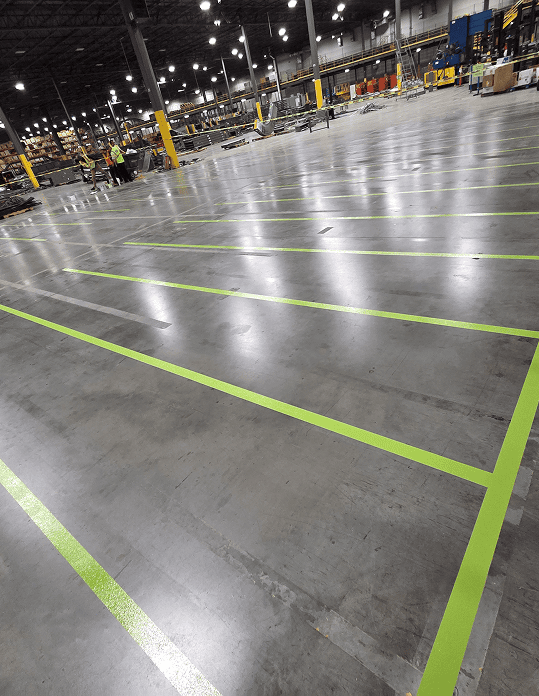
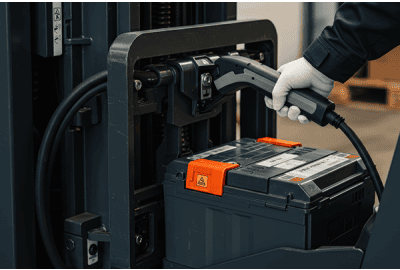
Battery charging areas are essential zones in many industrial facilities, particularly in manufacturing plants, warehouses and distribution centers. These spaces keep the operation moving by powering material-handling equipment like forklifts, pallet jacks and other battery-operated machinery. But while these areas are critical to productivity, they also pose a major risk to your facility’s concrete floor.
Let’s break down why battery charging areas need specialized flooring and what solutions exist to protect your facility for the long haul.
The Problem: Battery Acid and Floor Damage
Battery-powered equipment is typically recharged in dedicated zones, sometimes multiple areas throughout a facility. These areas become high-risk zones for one primary reason: sulfuric acid. This corrosive substance, commonly found in industrial batteries, can escape due to:
✔ Overfilling or overcharging
✔ Improper handling during maintenance
✔ General wear and tear on battery casings
Sulfuric acid reacts aggressively with concrete and even small spills can lead to long-term damage. As the water in the acid evaporates, the acid concentration intensifies, turning a minor spill into a major etching issue. Over time, the floor can become soft and brittle, creating a major safety concern and increasing the risk of environmental impact.
What the Floor Needs: Chemical Resistance and Durability
The battery charging zone is non-negotiable when it comes to chemical resistance. A thin coating simply won’t cut it. Once the top layer chips or wears down, battery acid will quickly find its way back to the concrete.
The right solution? A resinous overlay system designed to:
✔ Resist prolonged acid exposure
✔ Withstand daily equipment traffic
✔ Maintain integrity over time without chipping or delaminating
✔ Include slip resistance to help prevent workplace injuries
✔ Offer seamless, monolithic protection (no grout lines or seams for chemicals to penetrate)
Recommended System
In most cases, a resinous floor overlay is the go-to solution offering superior strength and chemical resistance.
Extra Considerations
✔ Cove base: Extending your resinous floor system up the wall slightly to create a coved base prevents acid from sneaking behind the floor surface and damaging the wall or foundation.
✔ Environmental concerns: Extensive acid damage can eventually lead to groundwater contamination in severe cases. While rare, this reinforces the need to address the issue early. Thus, seamless resinous systems are your secret weapon to prevent sulfuric acid from seeping through your floor.
✔ Cleaning up: Common solutions like baking soda can help neutralize minor acid spills. However, spill prevention is far more effective than cleanup.
Remember This: Proactive Beats Reactive Every Time
Battery charging areas represent a unique hazard in industrial facilities, one that’s often overlooked until visible damage appears. But by the time the concrete is visibly deteriorating, the repair scope (and cost) may already be substantial.
Investing in the right floor system early protects your assets, keeps your team safe and ensures compliance with facility safety standards. Reach out to us today to help you protect your facility.